

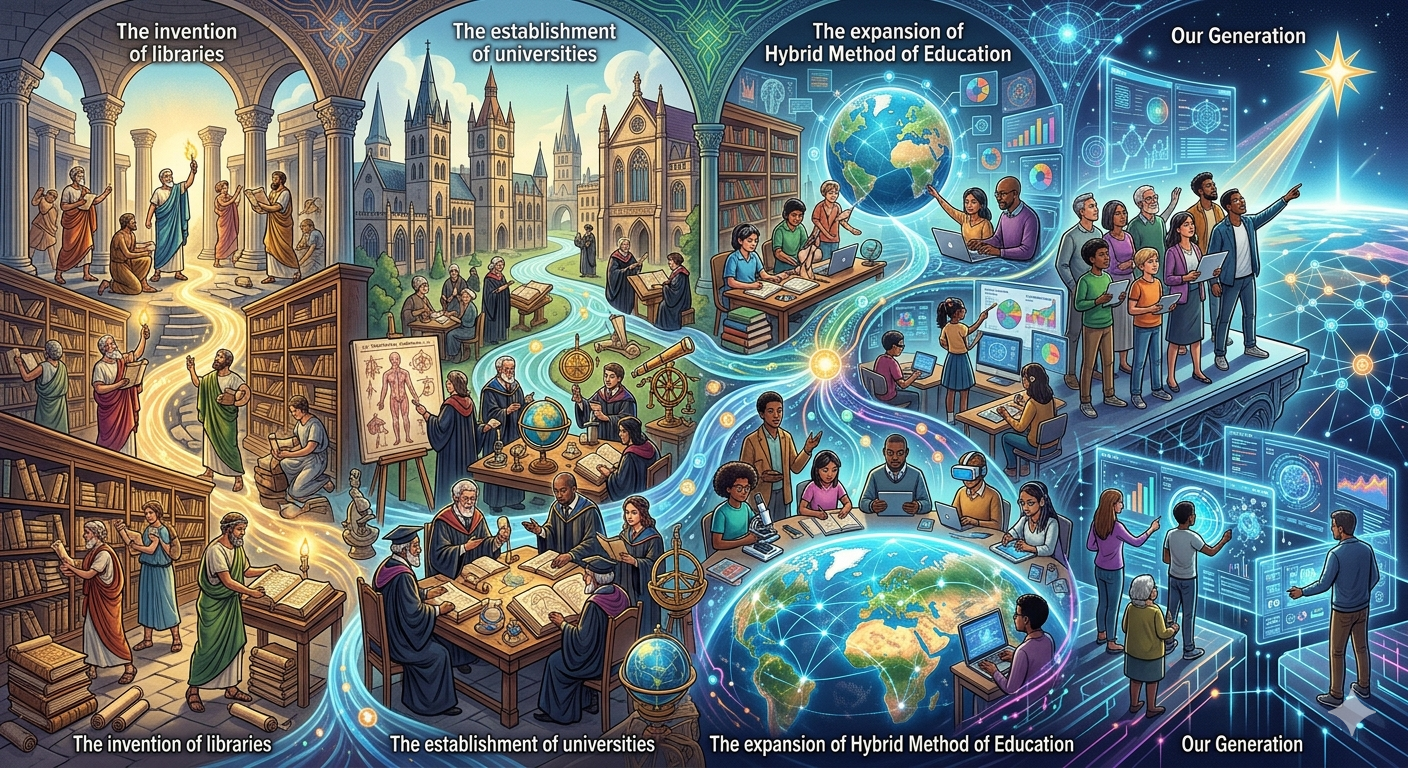
Every great educational movement begins with philanthropy. Libraries did not appear spontaneously across the world. Universities did not emerge without patrons of knowledge. Scientific institutions did not flourish without visionary benefactors.
History records a powerful pattern:
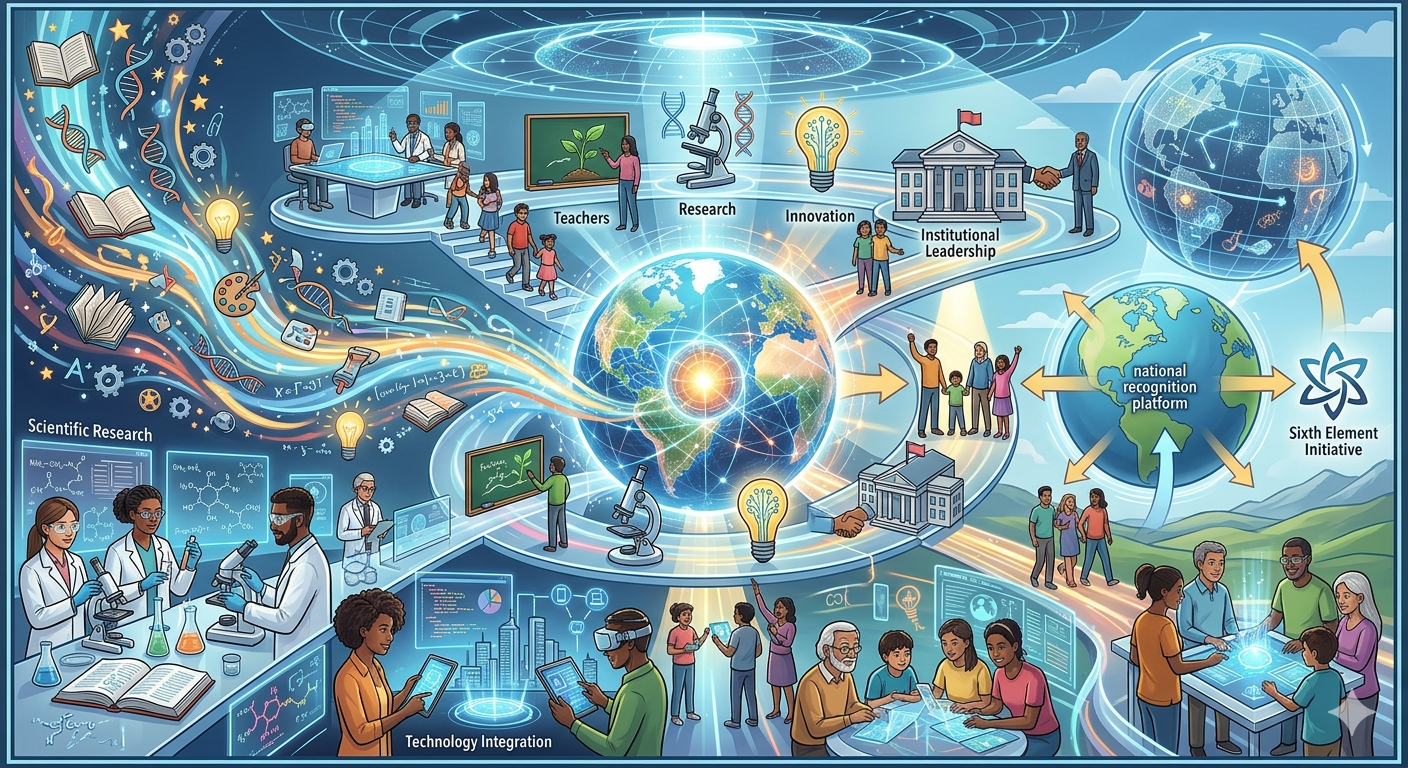
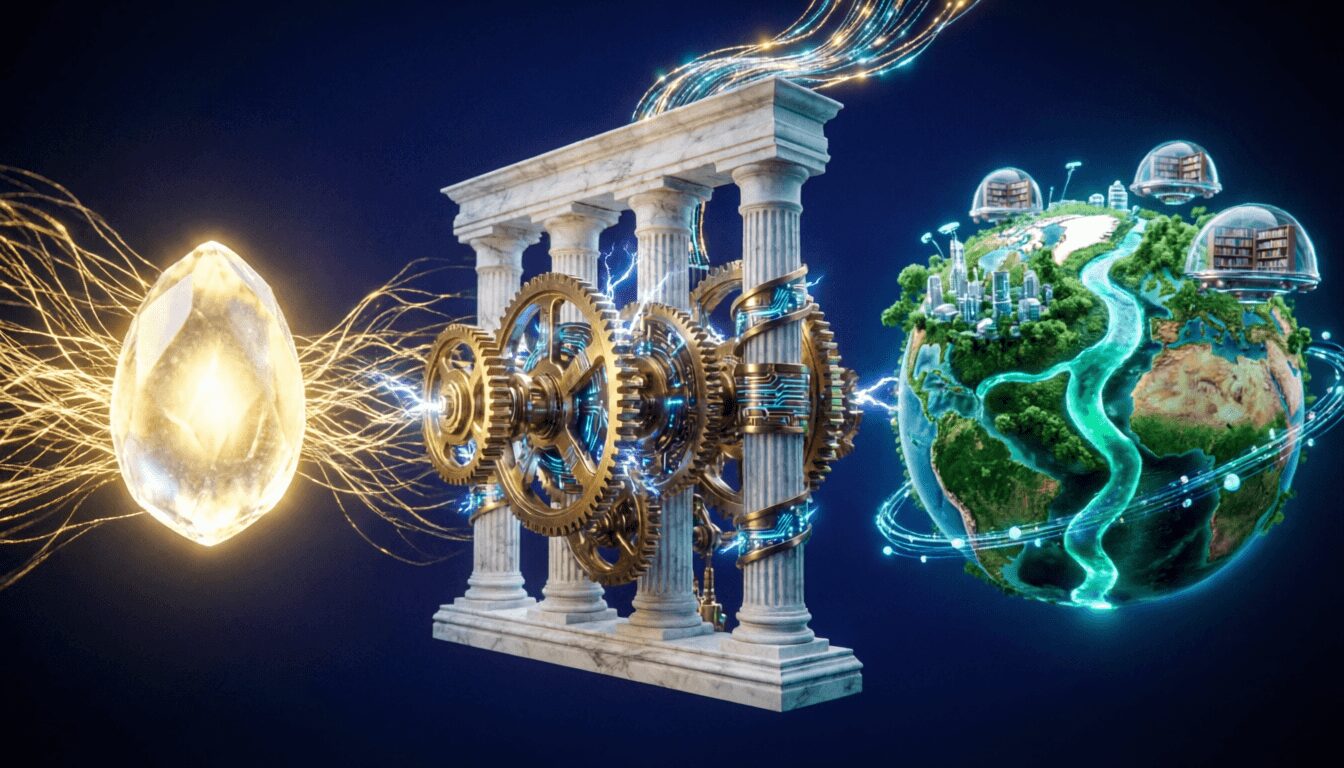
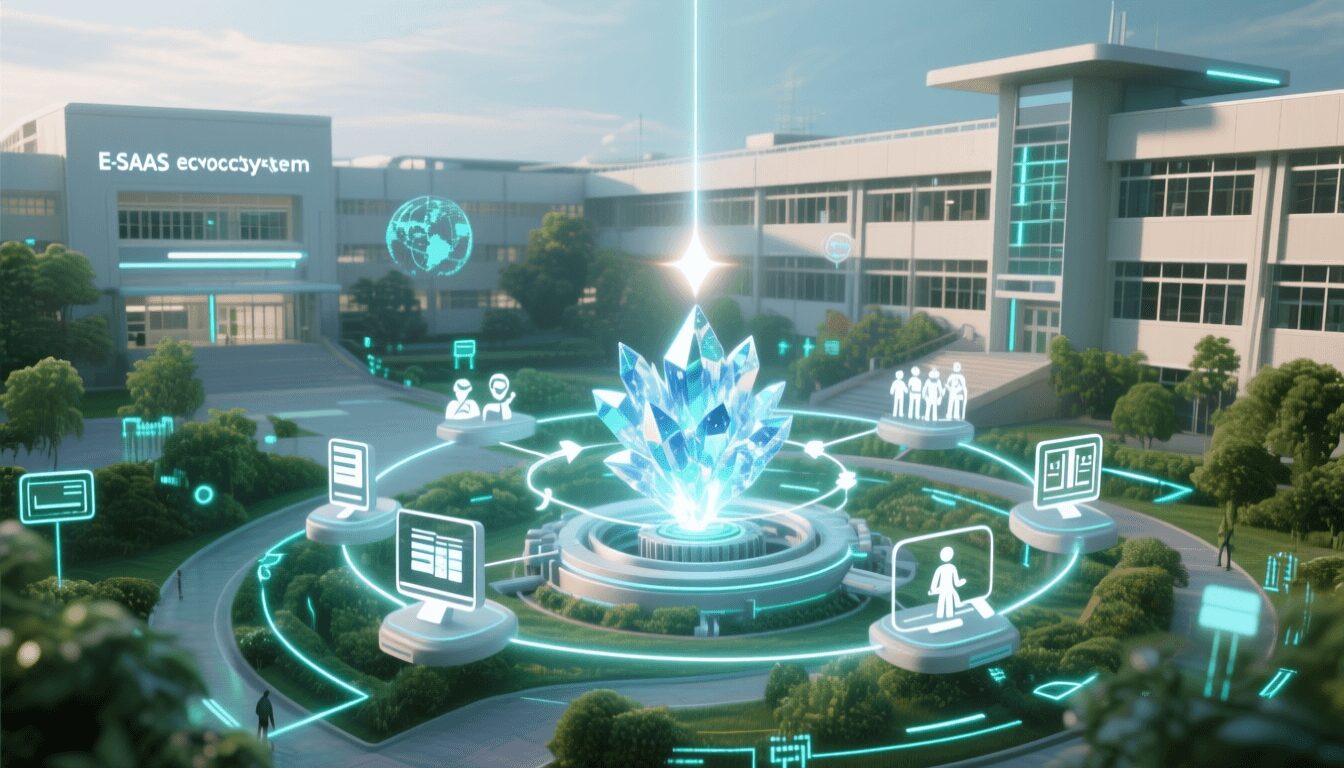
The Sixth Element Initiative follows this same historical trajectory. The philanthropic appeal presented in this manifesto represents the ignition phase. The transformation it begins, however, is designed to evolve into a self-sustaining educational ecosystem capable of sustaining itself through institutional participation and knowledge-driven economic models.
This approach ensures that the Global Academic Renaissance does not remain dependent upon continuous charitable contributions. Instead, philanthropic investment acts as the catalyst that launches a sustainable educational infrastructure.
- Deployment of hybrid learning infrastructure
- Integration of E-SAAS learning platforms
- Training of educators in hybrid pedagogy
- Establishment of digital academic environments
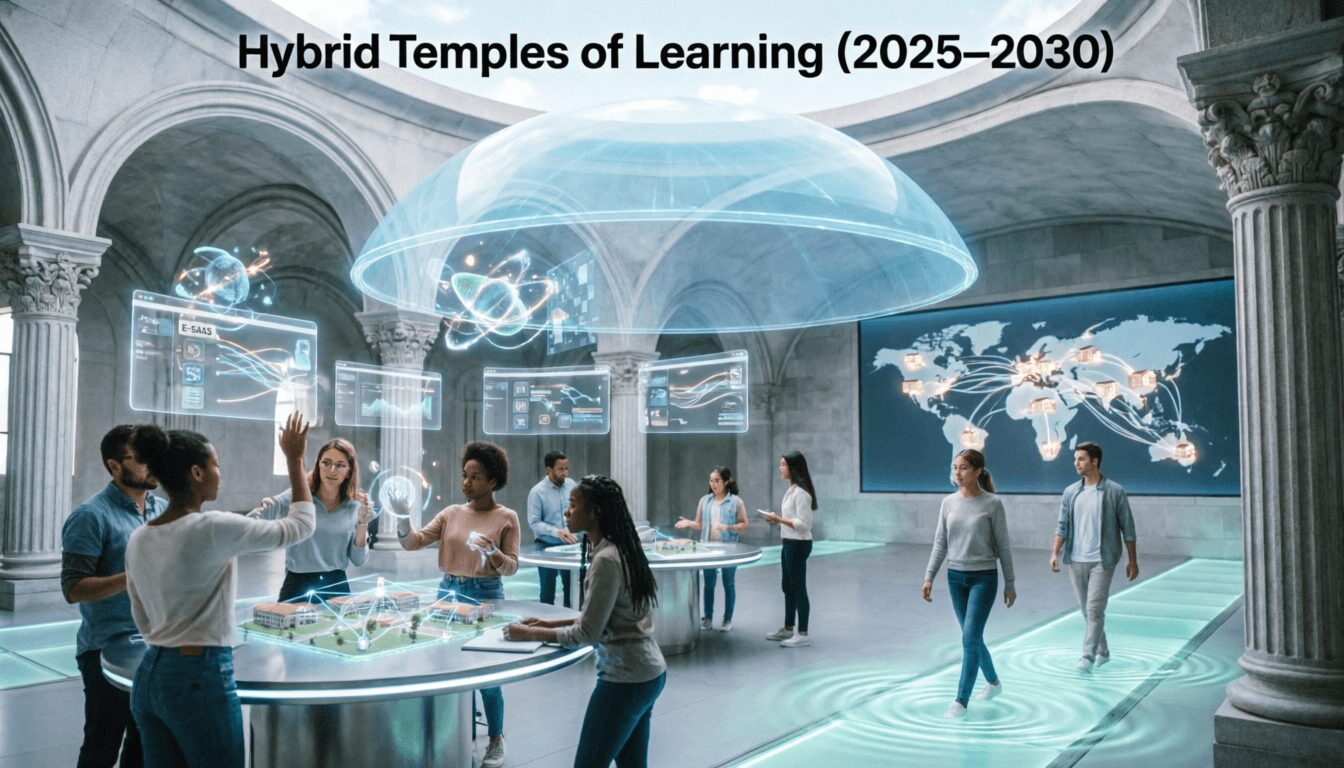
These institutions become the first Hybrid Temples of Learning. They demonstrate how hybrid education can modernise educational systems with modest investment.
The first network of institutions begins sharing knowledge resources, teaching methodologies, and collaborative academic initiatives.
This phase proves the viability and scalability of the Sixth Element Initiative.
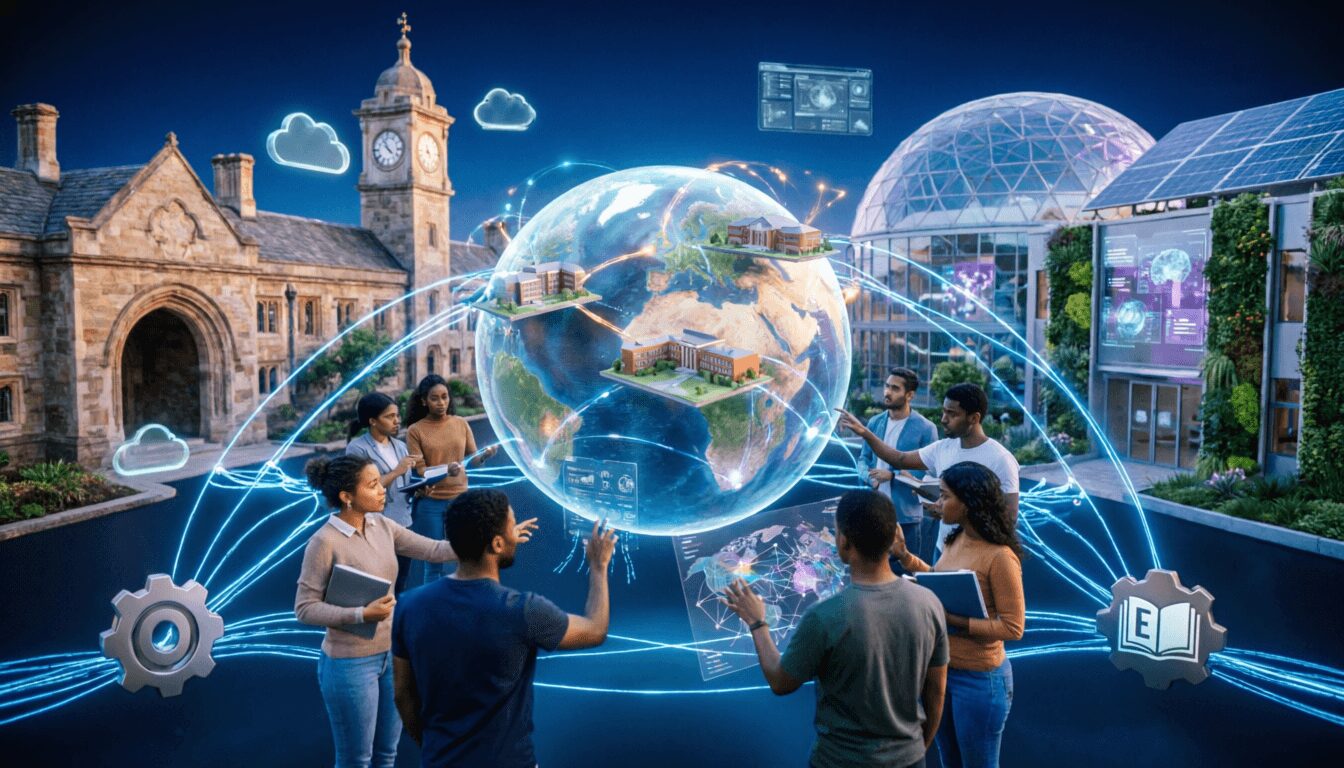
The integrated E-SAAS ecosystem expands across participating institutions. Platforms such as MindhostsPlus, Mindhosts, Indlearn, and Englishvoice support hybrid learning environments serving large numbers of students.
Hybrid education gradually becomes a dominant architecture of modern education.
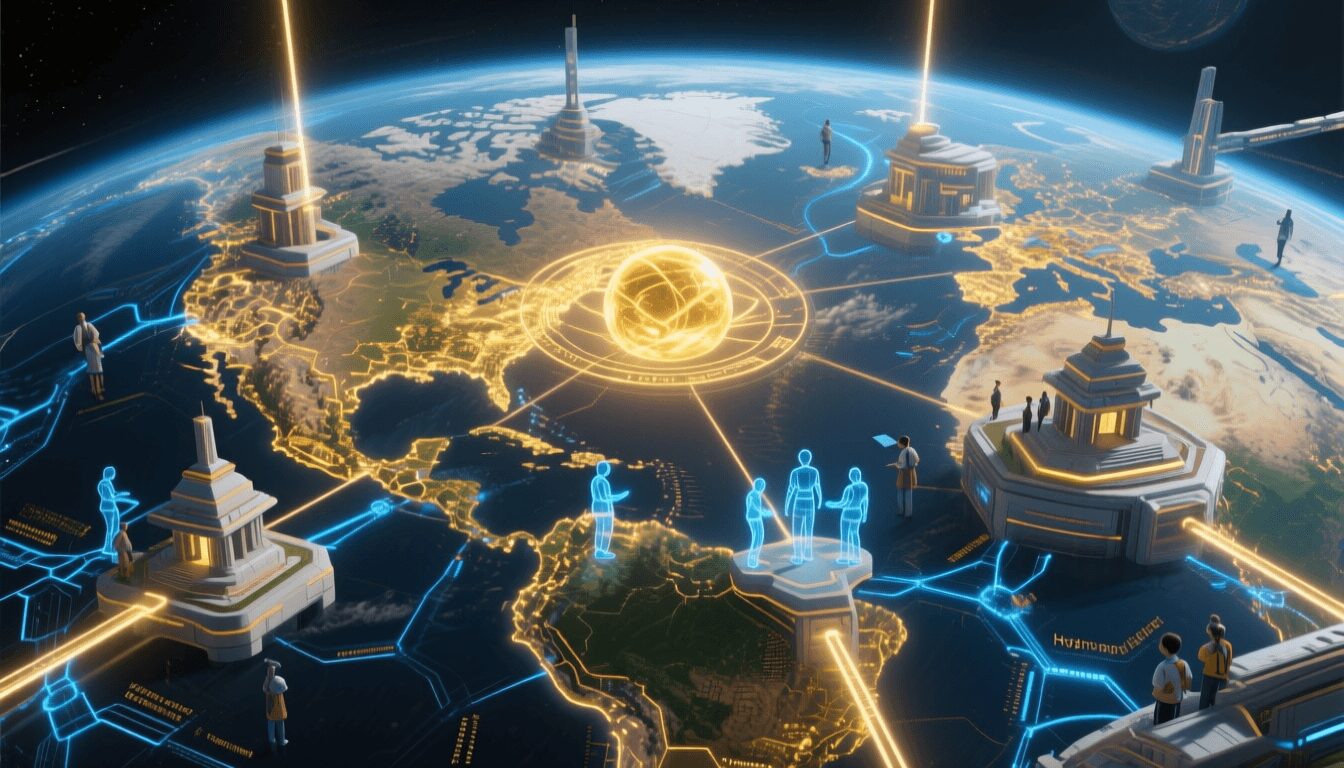
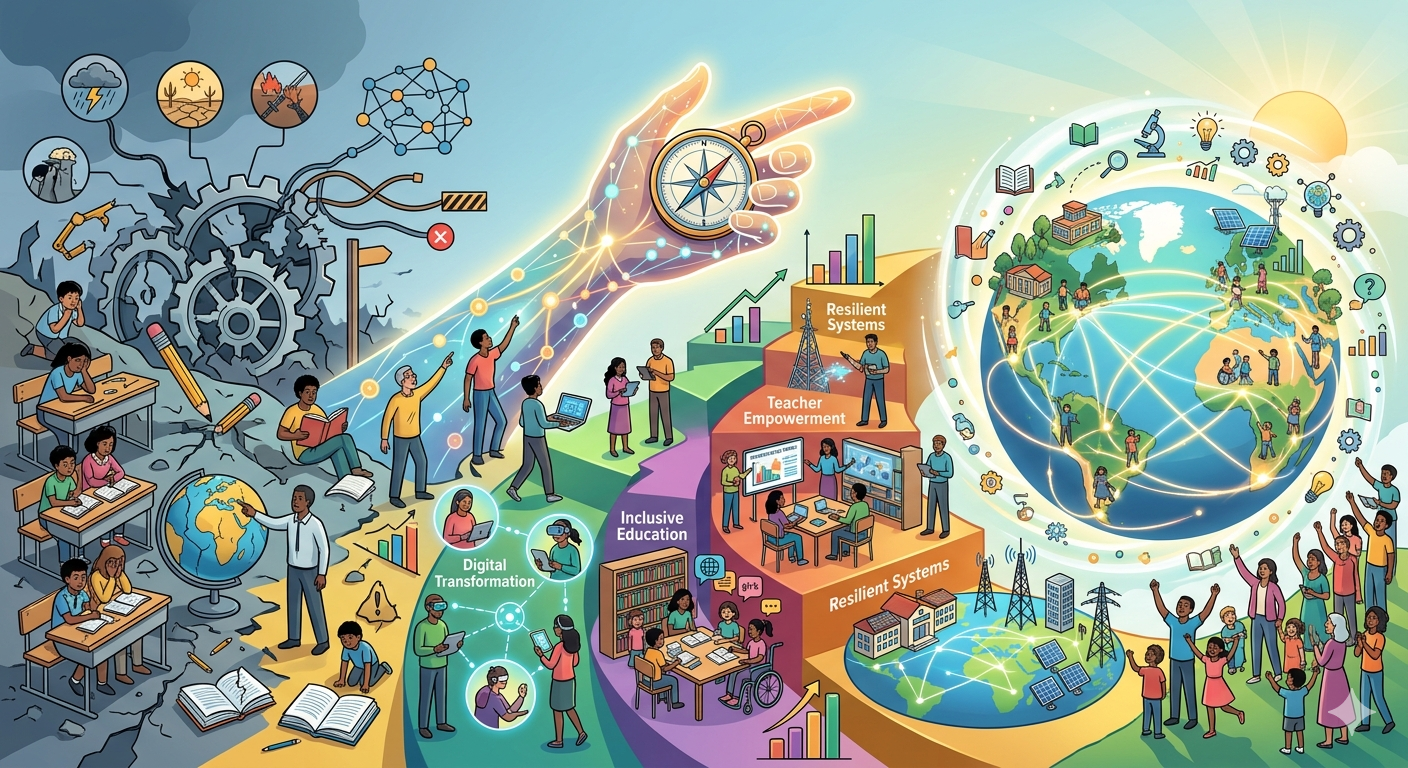
The final stage of the transformation marks the emergence of a planetary knowledge ecosystem.
In this world:
- Institutions operate within global academic networks
- Educators collaborate across continents
- Students access knowledge resources without geographical limitation
Operate as interconnected learning ecosystems.
Function as global knowledge leaders.
Gain access to unprecedented intellectual opportunity.
Hybrid Method of Education becomes the Sixth Element sustaining civilization.
- Platform maintenance
- Technology upgrades
- Academic collaboration networks
- Educator training programs
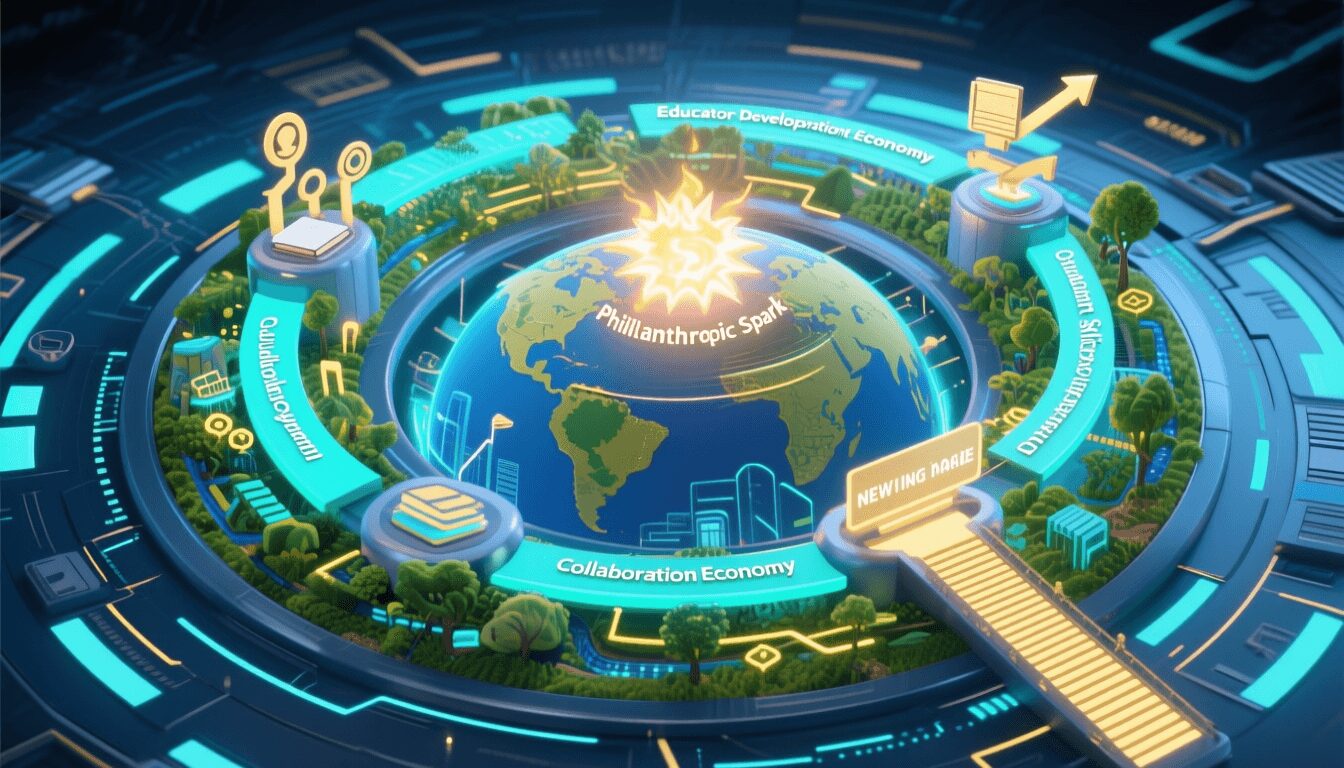
Through these interconnected participation programs, Indgiants and IAEPT evolve into a self-sustaining non-profit educational ecosystem.
Philanthropy ignites the initial transformation.
Institutional participation sustains the system.
Knowledge networks continuously expand the ecosystem.
They measure them in generational impact.
Libraries built by Carnegie still serve communities a century later.
Universities established through philanthropic endowments continue to educate future leaders.
Educational foundations have shaped the intellectual landscape of entire nations.
- A transformation that expands access to knowledge across communities.
- A transformation that empowers educators as leaders of intellectual progress.
- A transformation that builds the infrastructure of the Learning Planet.
- Educator training programs
The legacy of donors who support this mission will be measured not only in institutions transformed but in generations empowered.
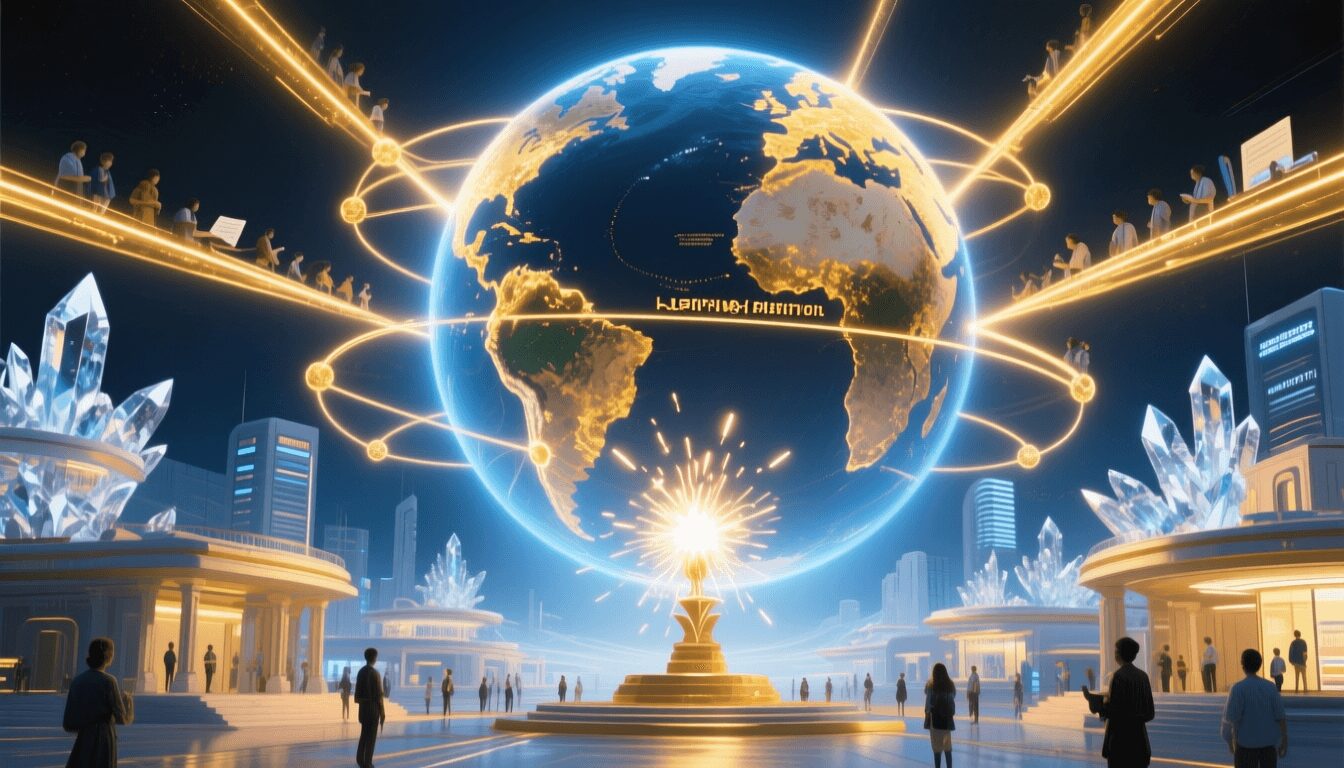
We possess the knowledge. We possess the technology. We possess the institutional capacity.
What remains is the collective will to act.
The Sixth Element Initiative invites visionary philanthropists, institutions, and global partners to participate in building the Hybrid Method of Education infrastructure required for the century ahead.
The mission is clear.
- Recognise and empower educators
- Modernise institutions through hybrid learning ecosystems
- Expand access to knowledge across communities
- Deploy hybrid learning infrastructure
- Empower teachers
- Connect institutions to global knowledge networks
- Create interconnected academic ecosystems
- Expand knowledge beyond borders
- Empower future generations of thinkers and innovators
The opportunity before us is rare. Few generations are presented with the chance to transform the infrastructure of knowledge itself. Our generation now holds that responsibility.
What remains is the collective will to act.
Let us build a world where knowledge flows freely.
Let us empower educators as the architects of human progress.
Let us ensure that Hybrid Method of Education becomes the Sixth Element sustaining civilization.
One Planet | One Generation | One Shared Responsibility